
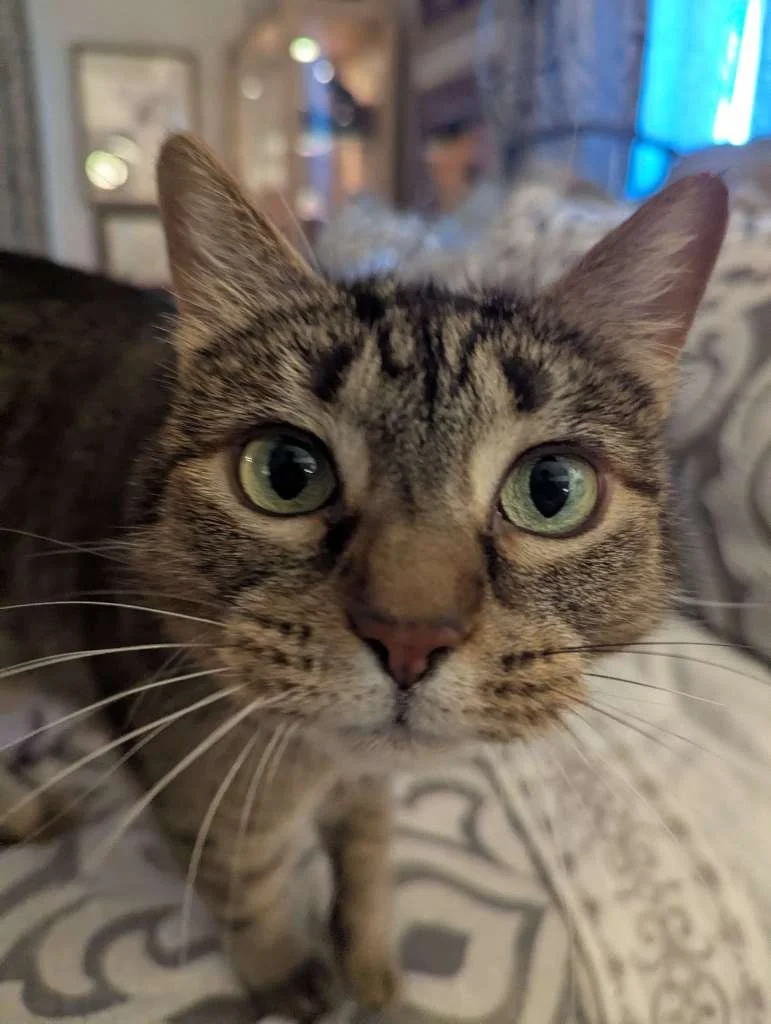
Hidden Home Hazards in “Pet-Friendly” Products
Many products labeled natural or pet-safe can still pose risks to animals, especially when inhaled, absorbed through paws, or accidentally ingested. Understanding how everyday household items affect pets differently than people can help you create a safer environment and prevent avoidable health emergencies at home.
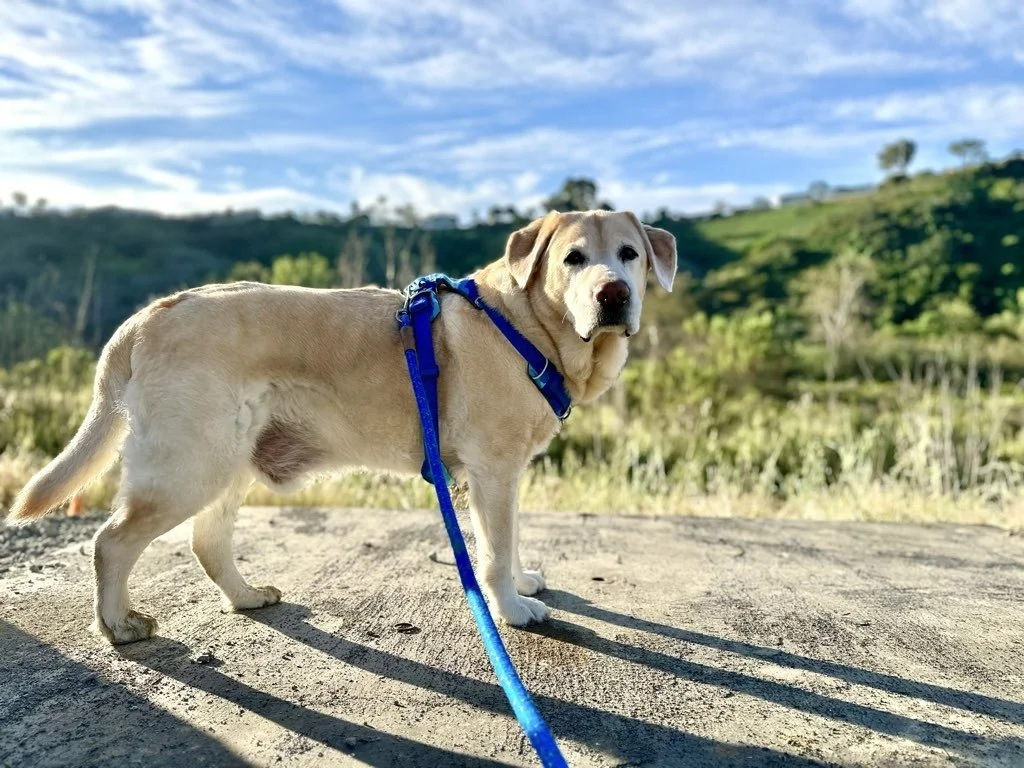
Dog Shaking Their Head? Here’s When It’s Normal and When Dogs On The Run® Recommends Calling Your Vet
At Dogs On The Run®, our Care Team frequently hears concerns from families whose dogs suddenly won’t stop shaking their heads. While an occasional shake is perfectly normal, repeated or persistent head shaking is often a sign that something is irritating the ears, from trapped moisture and allergies to infections that require veterinary care. Because our professionals observe pets in real home environments, we’re often able to spot early warning signs and alert families before minor discomfort turns into a more serious issue. When in doubt, ongoing head shaking should always be evaluated by a veterinarian to ensure your dog stays comfortable, healthy, and pain-free.

Seasonal Health & Preventative Care: Why Proactive Pet Wellness Matters
Each season brings new routines, new weather, and new health risks for pets. Seasonal preventative care helps families stay ahead of issues like parasites, allergies, joint discomfort, and stress; because the best care isn’t reactive. It’s proactive, consistent, and built on awareness.
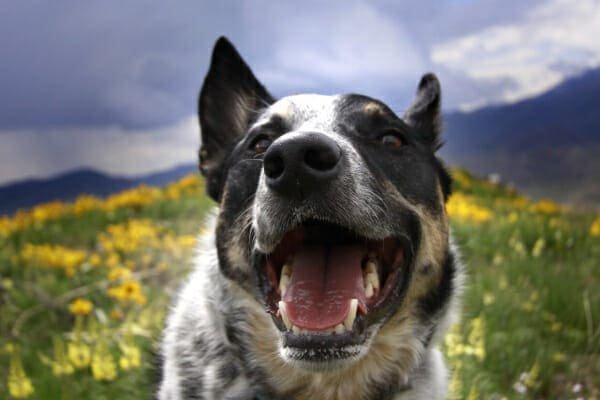
What to Do If Your Dog Is Stung by a Bee
Bee stings are a common occurrence for dogs, but knowing how to respond can make all the difference. If your dog is stung by a bee, the first steps are to remove the stinger, clean the area, and apply a cold compress to reduce swelling. While most stings result in mild discomfort, it’s important to monitor for signs of an allergic reaction, such as difficulty breathing, swelling around the face, or vomiting. If your dog shows any of these symptoms, contact your vet immediately. With prompt care, your dog will recover quickly and be back to enjoying their day!