

What Experienced Pet Parents Wish They Had Known Sooner
At Dogs On The Run®, we’ve seen firsthand that the happiest, most well-adjusted dogs don’t come from perfect training or rigid routines, but from patient, consistent care over time. Experienced Pet Parents consistently emphasize that dogs respond deeply to human energy, predictable schedules, regular exercise, and meaningful daily interaction. Even small, repeatable habits such as consistent feeding times, bonding moments, and reliable activity can dramatically influence a dog’s behavior and emotional well-being. When life gets busy, maintaining that stability becomes challenging, which is why dependable in-home support can make such a profound difference in keeping pets calm, secure, and thriving.

Subtle Signs of Pain Pets Hide Instinctively
Pets instinctively hide pain, often showing discomfort through subtle changes in behavior, movement, or routine. Learning to recognize these quiet signals can make a powerful difference in your pet’s comfort and quality of life.

Why Some Dogs “Act Different” on Leash vs. at Home
Ever notice your dog is calm at home but suddenly reactive or anxious on leash? You’re not alone; and it doesn’t mean something is “wrong.” Leashes change how dogs experience the world, limiting movement, increasing pressure, and amplifying sensory input. Understanding why this happens is the first step toward supporting your dog with confidence and compassion.
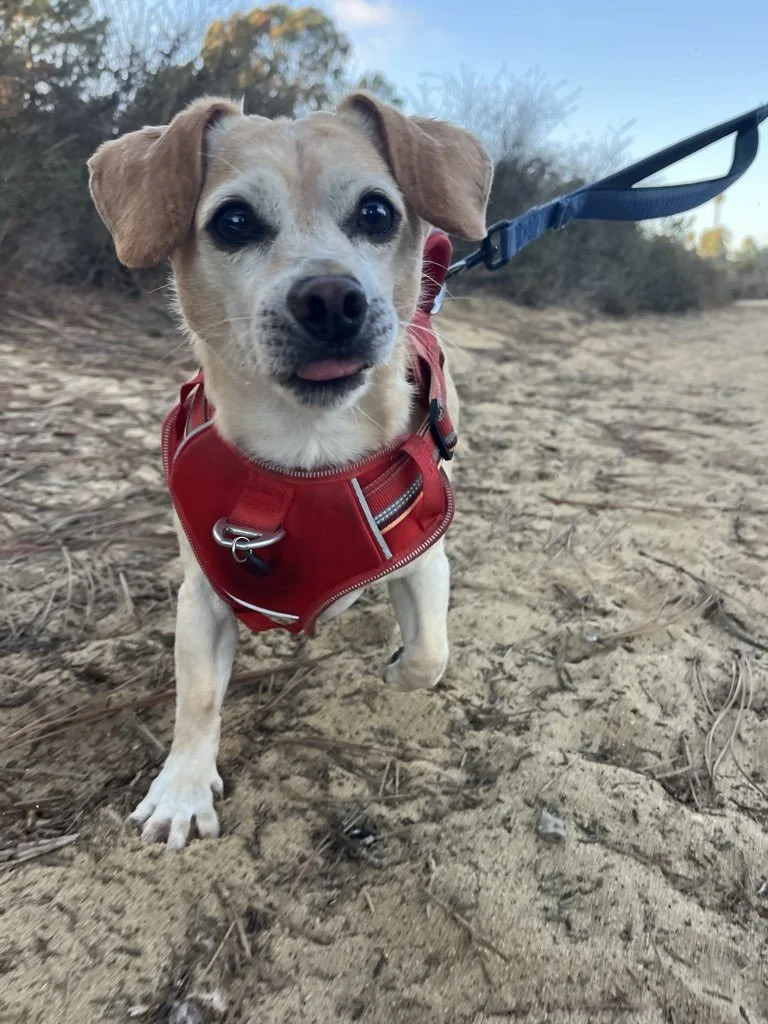
Finding Grace in Grief: What Our Pets Teach Us About Love and Letting Go
When a pet passes, grief can feel unbearable. But there is beauty in the cracks, a reminder that love endures beyond loss. Inspired by Japanese wisdom and shared experiences within the Dogs On The Run community, this reflection honors the heartbreak, healing, and lasting gratitude that come with saying goodbye.

Understanding Your Dog's Emotions: From Wagging Tails to Subtle Signals
Your dog is always communicating—through tail wags, eye contact, and even a simple yawn. But are you reading those signals correctly? Understanding your dog’s body language can help you identify when they’re feeling happy, anxious, or even unwell. From relaxed tail wags to subtle signs of stress, learning to decode these cues can deepen your connection and help you respond to their needs with confidence.