

Why Cheap Care Often Costs More
When it comes to pet care, the lowest price does not always mean the best value. Learn what goes into professional pet care, including insurance, background checks, licensing, training, safety, and the preparation that helps give Pet Parents greater confidence in the care their pets receive.

Why DOTR Vets Professionals Differently
Choosing a Pet Care Professional is a decision built on trust. Discover how Dogs On The Run evaluates professionals before they join our network, from background checks, licensing, and insurance to the qualities that matter just as much, including professionalism, reliability, communication, and responsibility.
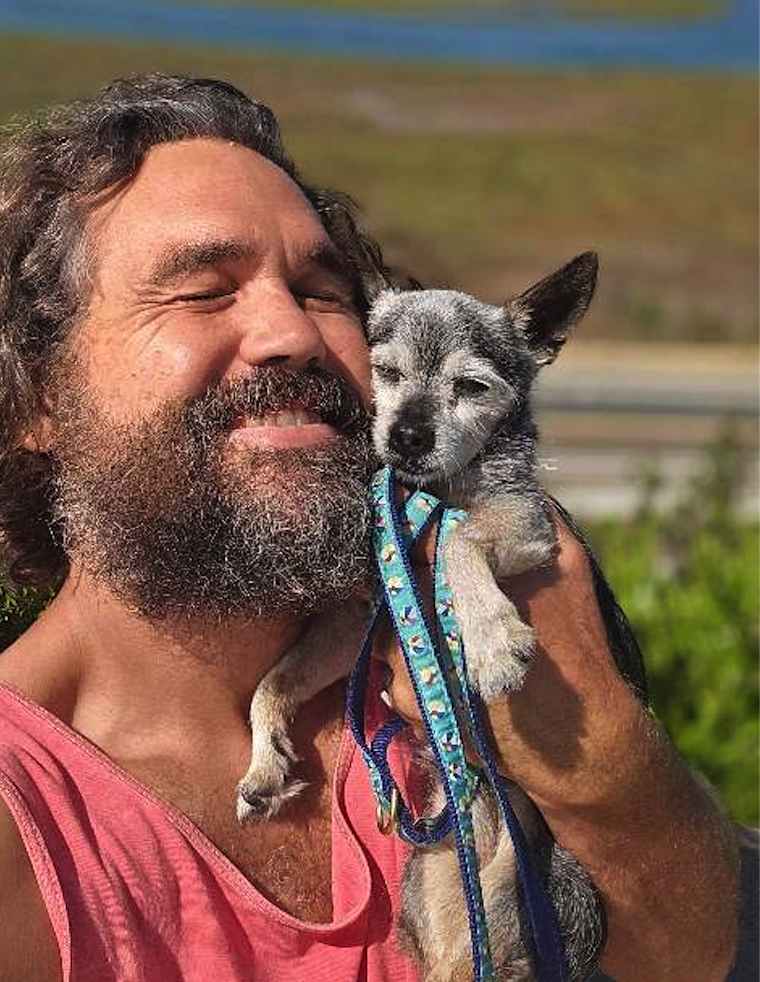
What Families Should Look for in a Pet Sitter
Finding the right pet sitter is about more than caring for your pet while you are away. From understanding your family's routine and communicating clearly to prioritizing safety and having a plan for unexpected changes, the right pet care can provide support for your entire household. Discover what families should look for when choosing a pet sitter who can bring confidence, consistency, and peace of mind.

What Makes A True Pet Care Professional
Choosing the right Pet Care Professional means looking beyond a love for animals. Discover the qualities that define exceptional professional pet care, from prioritizing safety and professionalism to understanding your pet's unique needs and knowing when to lean on a trusted care network. Learn how the right approach can provide greater confidence, consistency, and peace of mind for both you and your pet.

How Routines Change as Pets Age
As pets grow older, their daily needs begin to change. From shorter walks and extra potty breaks to medication schedules and increased rest, small adjustments to your pet's routine can make a big difference in their comfort and quality of life. Discover how to support your senior companion through every stage of aging with thoughtful, compassionate care.

Aging With Dignity: Supporting Senior Pets Through Every Stage of Life
As pets grow older, their needs change, but their need for love, patience, and compassionate care never does. Learn how to support your senior pet through every stage of life with practical tips on exercise, routine, nutrition, medication, and comfort, helping them age with dignity while enjoying the happiest, healthiest life possible.

End of Life Planning with Compassion: Preparing for One of the Hardest Decisions
Planning for the end of a beloved pet's life is one of the most difficult responsibilities a pet parent will face. While these conversations are never easy, preparing with compassion can help ensure your pet's final days are filled with comfort, dignity, and love. Learn how to recognize changes in quality of life, plan ahead with your veterinarian, and support your family through this emotional journey.
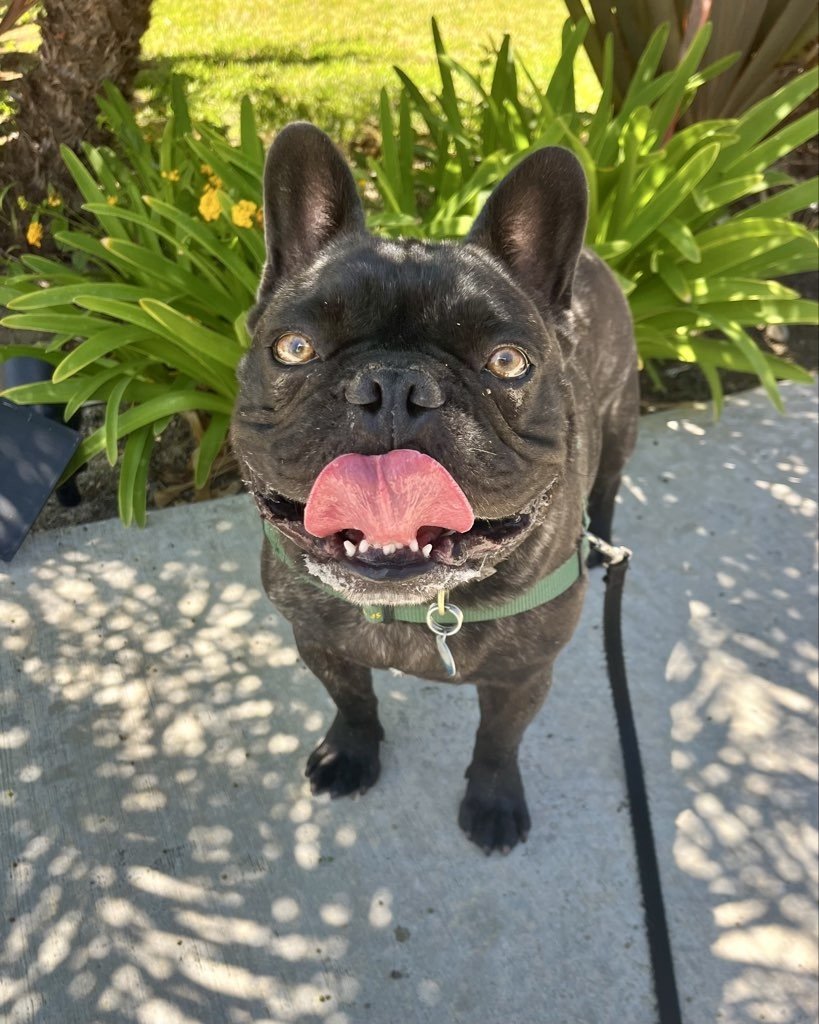
How Routines Change as Pets Age
As pets age, their needs naturally evolve. Discover how adjusting routines, exercise, nutrition, and daily care can help your senior pet stay comfortable, confident, and engaged throughout their golden years.

Understanding Cognitive Decline in Aging Pets
As pets age, changes in memory and behavior can be easy to overlook. Learn the signs of cognitive decline, how it differs from normal aging, and ways to help your senior pet continue living a happy, confident life.

Subtle Signs of Pain Every Pet Parent Should Know
Pets often hide pain, making small changes in behavior, mobility, or daily routines easy to miss. Learn the subtle signs of discomfort and when it's time to schedule a visit with your veterinarian.

Aging With Dignity: Helping Your Senior Pet Thrive
Senior pets may slow down with age, but they still deserve active, enriching, and fulfilling lives. Learn how simple changes, consistent routines, and compassionate care can help your pet age with dignity and comfort.

Medication vs. Behavioral Support
For many dogs with separation anxiety, training and behavior modification are the first steps toward success. Learn when behavioral support is appropriate, when to consult your veterinarian, and how to choose the best path for your dog's emotional well being.

When Separation Anxiety Becomes a Welfare Concern
Every dog misses their family from time to time, but when anxiety begins affecting a dog's physical and emotional well being, it becomes more than a training challenge. Learn the warning signs, when to seek additional support, and how consistency can help your dog feel more secure.
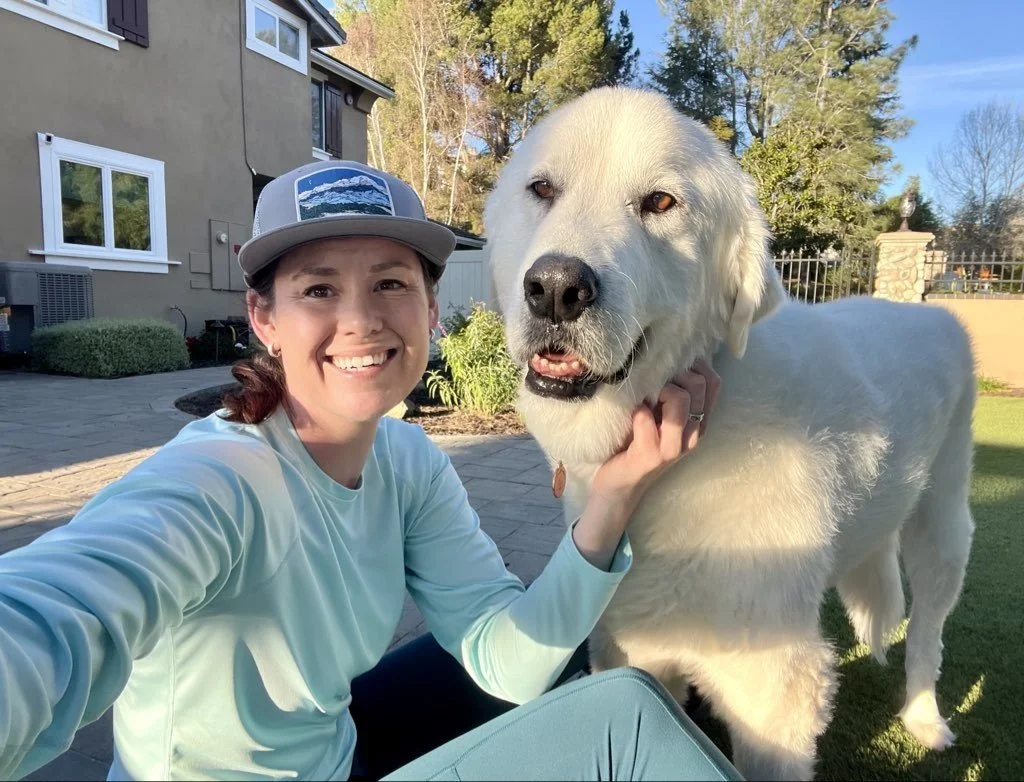
Creating Calm Exits & Returns: Helping Your Dog Feel Safe When You're Away
Leaving your dog doesn't have to be stressful, for either of you. Discover simple ways to create calm departures, build confidence, and help your pet feel safe and secure whether you're heading to work or leaving for vacation.

Puppy Adolescence Is Real: What Pet Parents Need to Know
Puppy adolescence is a real developmental stage that can impact behavior, confidence, emotional regulation, and training progress. Dogs On The Run shares expert insights on common adolescent dog behaviors, structured routines, socialization, dog walking, enrichment, vacation care, and preventing separation anxiety. Learn how consistency, trusted pet care support, and healthy outlets can help adolescent puppies grow into confident, emotionally balanced adult dogs.

Common Mistakes New Pet Parents Make
Discover the most common mistakes new pet parents make and how to avoid long-term behavioral issues in puppies and young pets. Dogs On The Run shares expert tips on puppy socialization, routines, dog walking, enrichment, vacation care, separation anxiety prevention, and emergency pet planning. Learn how early structure, trusted pet care support, and healthy habits can help raise confident, emotionally balanced pets for life.

Raising Confident Young Pets: What Early Experiences Really Matter
Raising confident young pets starts with proper socialization, structured puppy socials, professional dog walking, enrichment, and trusted pet care support. Discover expert tips from Dogs On The Run on how to build confidence in puppies and young dogs through positive exposure, routine, vacation care preparation, and emergency planning. Learn why early socialization, consistent walks, safe pet sitting, and creating a reliable support system are essential for raising emotionally balanced, resilient pets in San Diego and beyond.

Travel Prep for Dogs
Traveling with your dog takes more than good intentions it requires planning, structure, and the right environment. Whether you’re hitting the road or staying local in Southern California, this guide covers everything you need to know about safe, stress-free dog travel, plus when it’s better to bring in trusted professional care instead.

Encouraging Your Pet to Drink More Water
At Dogs On The Run®, we understand that changes in routine, travel, warm weather, or recovery from illness can sometimes affect how much a pet drinks. One gentle method some Pet Parents use to encourage hydration is called baited water, which simply means adding a small amount of pet safe flavor to fresh water to make it more appealing. Because scent plays such a strong role in a pet’s interest in food and water, even a tiny amount can help entice drinking while maintaining normal hydration. Fresh plain water should always remain available, and any sudden change in drinking habits should be discussed with your veterinarian to ensure your pet stays safe, comfortable, and well cared for.

Meat Meal in Pet Food: What Pet Parents Need to Know
At Dogs On The Run®, we know how confusing pet food labels can be, especially when ingredients like “meat meal” sound unfamiliar or concerning. In reality, meat meal is a concentrated source of animal protein created by removing moisture from meat, allowing it to deliver high nutritional value in a shelf-stable form. The key distinction is whether the protein source is clearly named, such as chicken meal or lamb meal, which offers greater transparency and consistency. By understanding how these ingredients function within a complete diet, Pet Parents can make confident, informed decisions that support their pet’s long-term health rather than relying on marketing claims or common misconceptions.