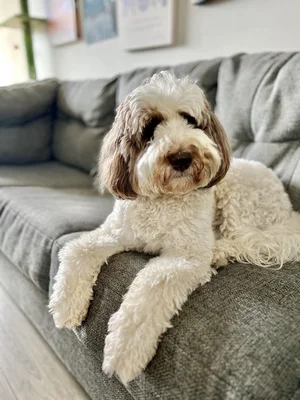
The Love Languages of Pets
We talk a lot about love in human relationships, words of affirmation, quality time, gifts, acts of service.
But what about pets?
The truth is: our pets have love languages too.
They just don’t always look like ours.
Many pet parents assume affection should be obvious, constant cuddling, tail wagging, excited greetings.
But love in animals is often quieter, subtler, and deeply personal.
Understanding how your pet expresses connection can completely change the way you interpret their behavior and deepen the bond you share.
Let’s translate.
Quality Time: “I Just Want to Be Near You”
For many pets, love looks like presence.
Not necessarily interaction just proximity.
They may:
Follow you from room to room
Lay nearby while you work
Sit quietly in the same space
Choose to rest where you are, not where it’s most comfortable
This isn’t clinginess.
It’s companionship.
For pets, being close is often the clearest form of trust.
Physical Touch: “Safe Contact Matters”
Some pets absolutely communicate love through touch, but not always the way we expect.
Affection might look like:
Leaning their body against you
Resting a paw on your leg
Slow head bumps or gentle nudges
Sitting pressed up beside you
And for cats especially, touch has to be earned.
Not all pets want constant cuddles, but when they choose touch, it’s meaningful.
Acts of Service: “Let Me Care for You Back”
This one surprises people.
Pets often show affection by being helpful or attentive.
Examples include:
Bringing you a toy
Checking on you when you’re upset
Staying close when you’re sick
Watching over the household
Dogs in particular are wired for partnership.
To them, love is participation.
“I’m here. I’m with you. I’ve got you.”
Gifts: “Look What I Found!”
In the animal world, offering something is often a social gesture.
Yes… sometimes that “gift” is a slobbery toy or a sock.
But the message is real:
“I thought of you.”
“I want to share.”
“This belongs to us.”
Cats may bring objects (or prey) as an instinctual offering; strange to us, but deeply rooted in connection.
Words and Tone: “Your Voice Is Everything”
Pets may not understand language the way we do, but they absolutely understand tone, rhythm, and emotional energy.
Your pet may respond to:
Calm reassurance
Happy greetings
Gentle consistency
The sound of your voice during stress
For many animals, love is not what you say.
It’s how safe you sound when you say it.
Love Languages Are Personal; Just Like Pets
Here’s the important part:
Not every pet expresses affection the same way.
Some are bold.
Some are subtle.
Some need time.
A pet who doesn’t cuddle may still love deeply.
A pet who acts independent may still feel bonded.
The question isn’t:
“Does my pet love me?”
It’s:
“How does my pet show love in their own language?”
Why This Matters in Pet Care
At Dogs On The Run®, we believe care is built on relationship; not just routine.
Understanding a pet’s love language helps us match families with professionals who respect:
Individual comfort
Emotional needs
Trust-building over time
Consistency and familiarity
Because real care isn’t one-size-fits-all.
It’s personal.
Love doesn’t always look like excitement.
Sometimes love looks like a quiet presence.
A slow blink.
A gentle lean.
A pet choosing to stay close.
And once you learn their language…
You’ll start seeing it everywhere.