
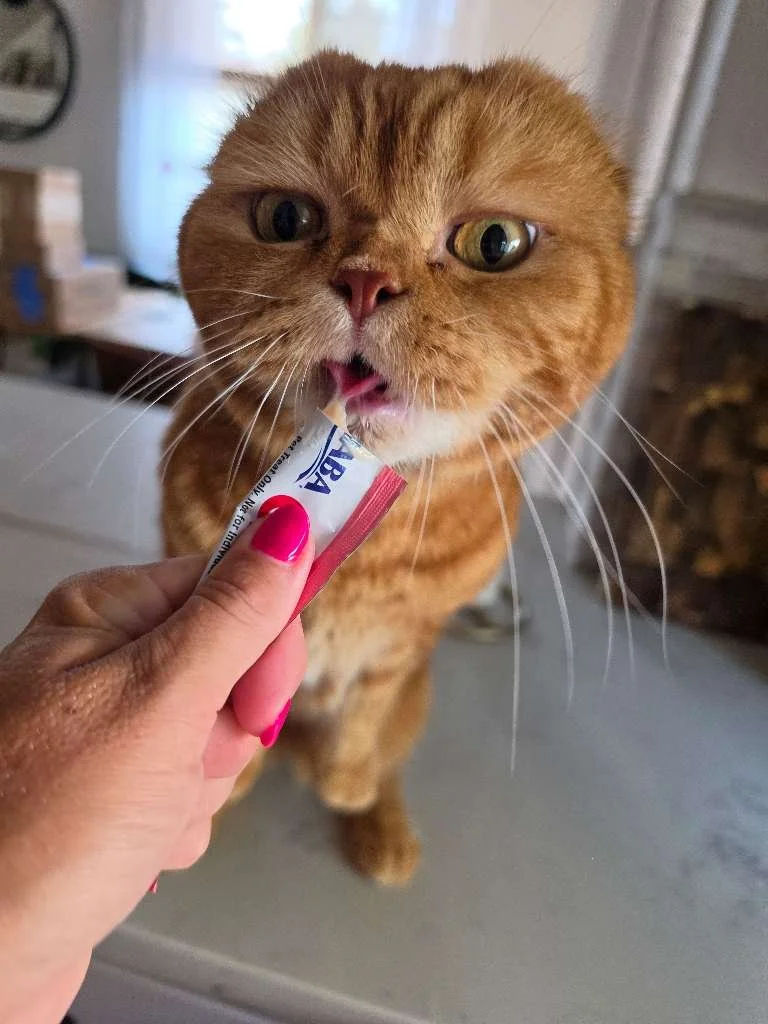
Food Dangers: Keeping Pets Safe Around The Table
The holidays bring plenty of tempting foods and new opportunities for pets to get into things they should not. Learn which common foods can be dangerous for dogs and cats, why holiday meals require extra attention, and simple ways to keep your pet safe around food, guests, and gatherings this season.

When To Rush TO The ER vs. Wait
Knowing when your pet needs immediate veterinary attention can be difficult, especially when something unexpected happens. Learn which warning signs may require an emergency veterinary visit, when it may be appropriate to monitor your pet, and how having a plan in place can help you respond with greater confidence.
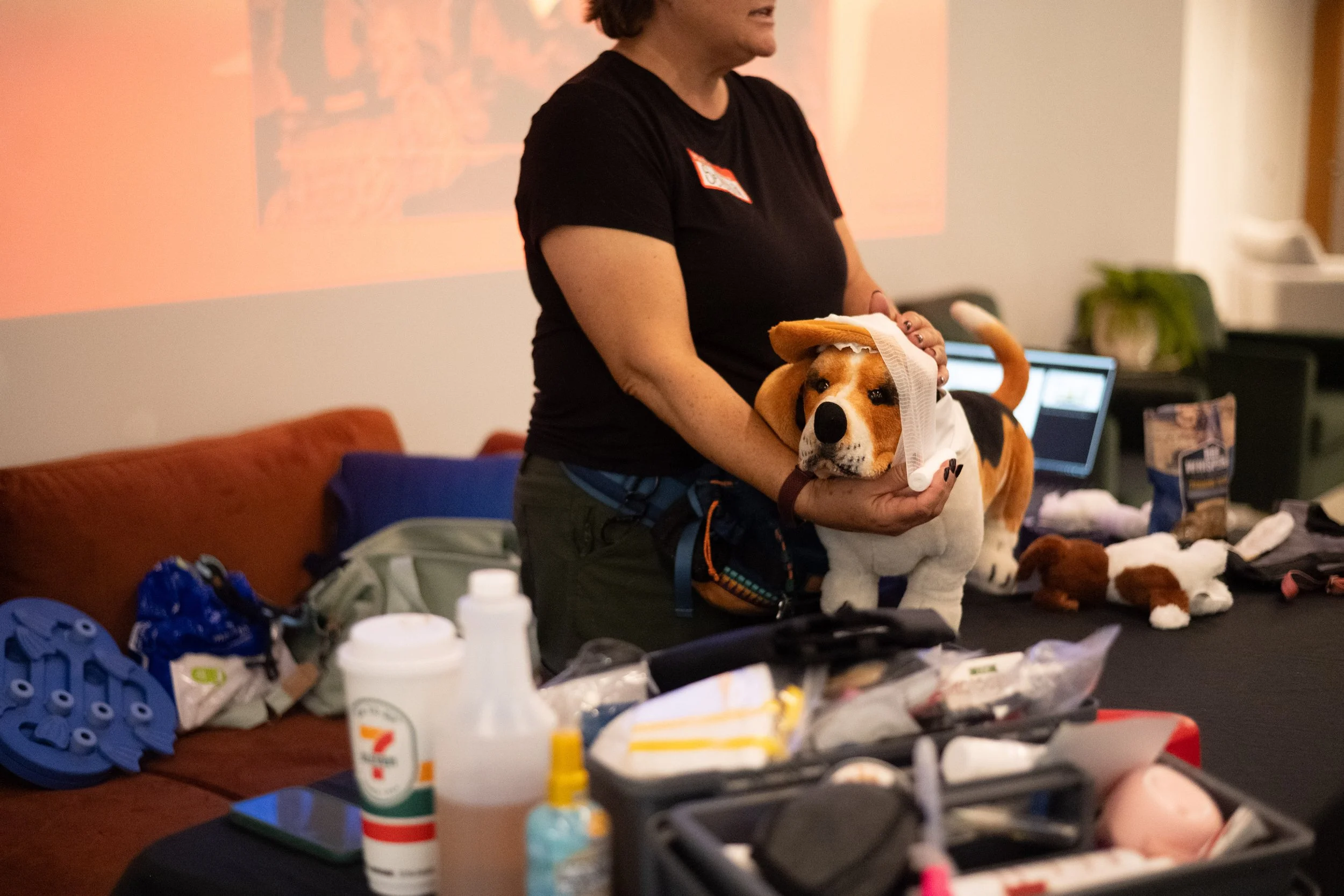
Pet First Aid Basics: Being Prepared For The Unexpected
Knowing what to do when your pet experiences an unexpected injury or emergency can provide valuable confidence while you arrange veterinary care. Discover basic pet first-aid essentials, from building an emergency kit and knowing who to call to understanding when professional veterinary attention is needed, and learn how hands-on education can help you feel more prepared.
PREVENTABLE EMERGENCIES AND HOW TO AVOID THEM
Many pet emergencies can be prevented with thoughtful preparation and a few simple safety measures. From securing household hazards and keeping identification current to knowing your pet's normal and preparing emergency information, discover practical ways to reduce preventable risks and feel more prepared when the unexpected happens.

Why Cheap Care Often Costs More
When it comes to pet care, the lowest price does not always mean the best value. Learn what goes into professional pet care, including insurance, background checks, licensing, training, safety, and the preparation that helps give Pet Parents greater confidence in the care their pets receive.

Why DOTR Screens Pet Care Professionals Differently
Choosing a Pet Care Professional is a decision built on trust. Discover how Dogs On The Run evaluates professionals before they join our community, from background checks, licensing, and insurance to the qualities that matter just as much, including professionalism, reliability, communication, and responsibility.

What Families Should Look for in a Pet Sitter
Finding the right pet sitter is about more than caring for your pet while you are away. From understanding your family's routine and communicating clearly to prioritizing safety and having a plan for unexpected changes, the right pet care can provide support for your entire household. Discover what families should look for when choosing a pet sitter who can bring confidence, consistency, and peace of mind.

What Makes A True Pet Care Professional
Choosing the right Pet Care Professional means looking beyond a love for animals. Discover the qualities that define exceptional professional pet care, from prioritizing safety and professionalism to understanding your pet's unique needs and knowing when to lean on a trusted care network. Learn how the right approach can provide greater confidence, consistency, and peace of mind for both you and your pet.

How Routines Change as Pets Age
As pets grow older, their daily needs begin to change. From shorter walks and extra potty breaks to medication schedules and increased rest, small adjustments to your pet's routine can make a big difference in their comfort and quality of life. Discover how to support your senior companion through every stage of aging with thoughtful, compassionate care.

Aging With Dignity: Supporting Senior Pets Through Every Stage of Life
As pets grow older, their needs change, but their need for love, patience, and compassionate care never does. Learn how to support your senior pet through every stage of life with practical tips on exercise, routine, nutrition, medication, and comfort, helping them age with dignity while enjoying the happiest, healthiest life possible.

End of Life Planning with Compassion: Preparing for One of the Hardest Decisions
Planning for the end of a beloved pet's life is one of the most difficult responsibilities a pet parent will face. While these conversations are never easy, preparing with compassion can help ensure your pet's final days are filled with comfort, dignity, and love. Learn how to recognize changes in quality of life, plan ahead with your veterinarian, and support your family through this emotional journey.
How Routines Change as Pets Age
As pets age, their needs naturally evolve. Discover how adjusting routines, exercise, nutrition, and daily care can help your senior pet stay comfortable, confident, and engaged throughout their golden years.

Understanding Cognitive Decline in Aging Pets
As pets age, changes in memory and behavior can be easy to overlook. Learn the signs of cognitive decline, how it differs from normal aging, and ways to help your senior pet continue living a happy, confident life.

Subtle Signs of Pain Every Pet Parent Should Know
Pets often hide pain, making small changes in behavior, mobility, or daily routines easy to miss. Learn the subtle signs of discomfort and when it's time to schedule a visit with your veterinarian.

Aging With Dignity: Helping Your Senior Pet Thrive
Senior pets may slow down with age, but they still deserve active, enriching, and fulfilling lives. Learn how simple changes, consistent routines, and compassionate care can help your pet age with dignity and comfort.

Fear, Noise, and Separation: What Pets Can’t Tell Us During Fireworks
Learn how fireworks anxiety, loud noises, fear, and separation stress impact dogs and cats during holidays and stressful events. Dogs On The Run shares expert tips on firework safety, separation anxiety prevention, trusted pet sitting, dog walking, overnight pet care, and emergency preparedness to help pets feel safe, calm, and emotionally supported during fireworks season and beyond.

Puppy Adolescence Is Real: What Pet Parents Need to Know
Puppy adolescence is a real developmental stage that can impact behavior, confidence, emotional regulation, and training progress. Dogs On The Run shares expert insights on common adolescent dog behaviors, structured routines, socialization, dog walking, enrichment, vacation care, and preventing separation anxiety. Learn how consistency, trusted pet care support, and healthy outlets can help adolescent puppies grow into confident, emotionally balanced adult dogs.

Common Mistakes New Pet Parents Make
Discover the most common mistakes new pet parents make and how to avoid long-term behavioral issues in puppies and young pets. Dogs On The Run shares expert tips on puppy socialization, routines, dog walking, enrichment, vacation care, separation anxiety prevention, and emergency pet planning. Learn how early structure, trusted pet care support, and healthy habits can help raise confident, emotionally balanced pets for life.

Why Early Habits Matter Long-Term
Discover why early habits in puppies and young pets can shape long-term behavior, confidence, emotional stability, and social skills. Dogs On The Run shares expert insights on puppy routines, socialization, dog walking, vacation care, enrichment, and emergency preparedness to help pet parents raise resilient, adaptable pets. Learn how consistent structure, trusted pet care support, and positive early experiences can prevent behavioral issues and build healthier lifelong habits.

Raising Confident Young Pets: What Early Experiences Really Matter
Raising confident young pets starts with proper socialization, structured puppy socials, professional dog walking, enrichment, and trusted pet care support. Discover expert tips from Dogs On The Run on how to build confidence in puppies and young dogs through positive exposure, routine, vacation care preparation, and emergency planning. Learn why early socialization, consistent walks, safe pet sitting, and creating a reliable support system are essential for raising emotionally balanced, resilient pets in San Diego and beyond.