

Why Cheap Care Often Costs More
When it comes to pet care, the lowest price does not always mean the best value. Learn what goes into professional pet care, including insurance, background checks, licensing, training, safety, and the preparation that helps give Pet Parents greater confidence in the care their pets receive.
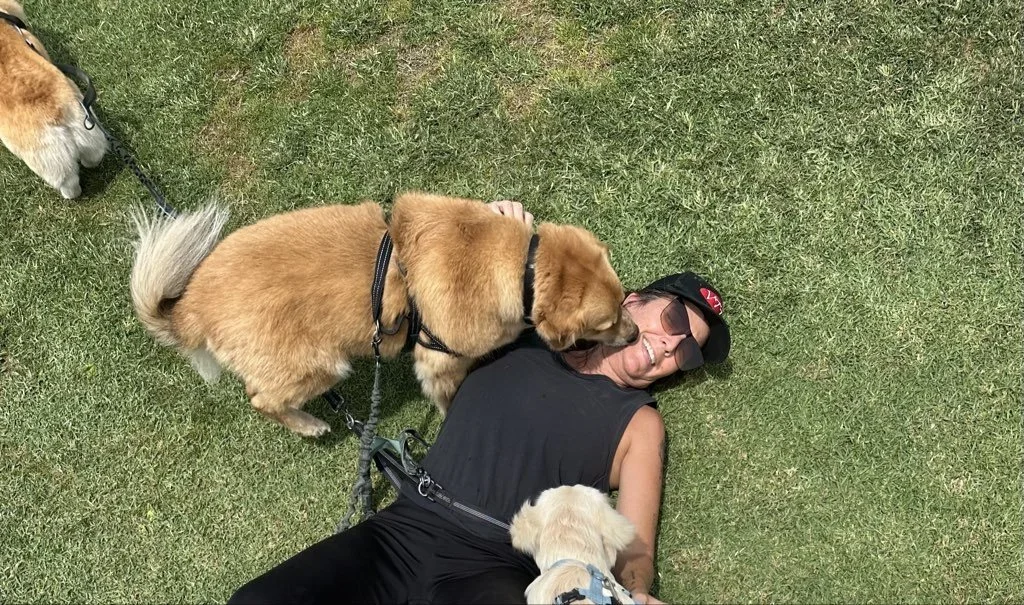
Why DOTR Vets Professionals Differently
Choosing a Pet Care Professional is a decision built on trust. Discover how Dogs On The Run evaluates professionals before they join our network, from background checks, licensing, and insurance to the qualities that matter just as much, including professionalism, reliability, communication, and responsibility.
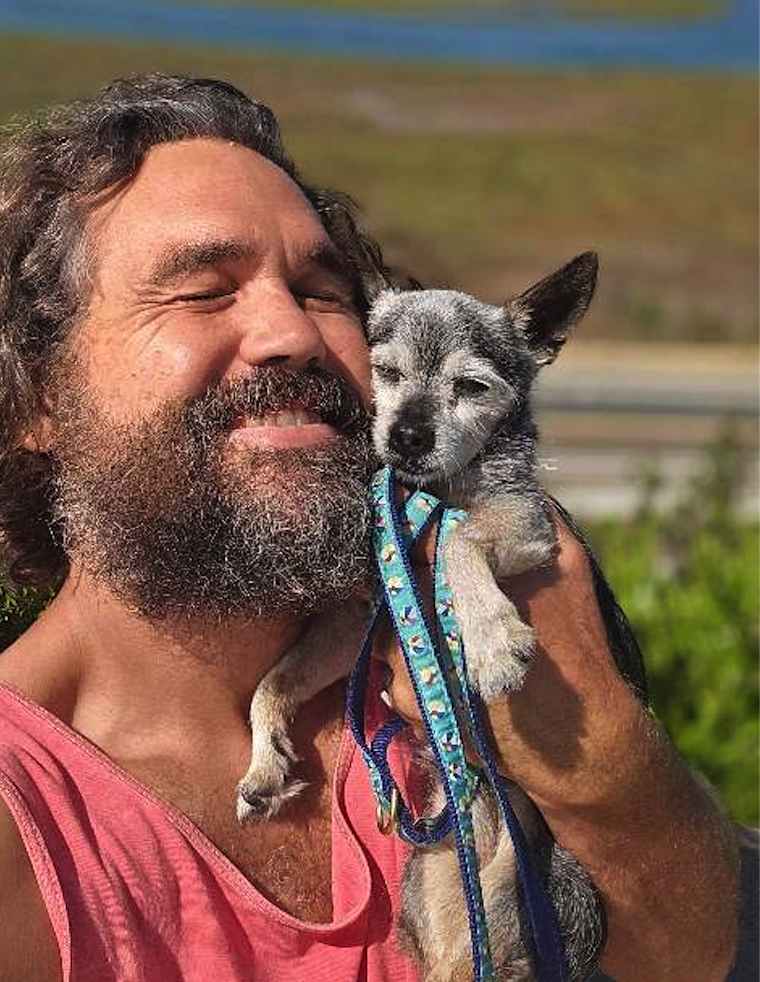
What Families Should Look for in a Pet Sitter
Finding the right pet sitter is about more than caring for your pet while you are away. From understanding your family's routine and communicating clearly to prioritizing safety and having a plan for unexpected changes, the right pet care can provide support for your entire household. Discover what families should look for when choosing a pet sitter who can bring confidence, consistency, and peace of mind.
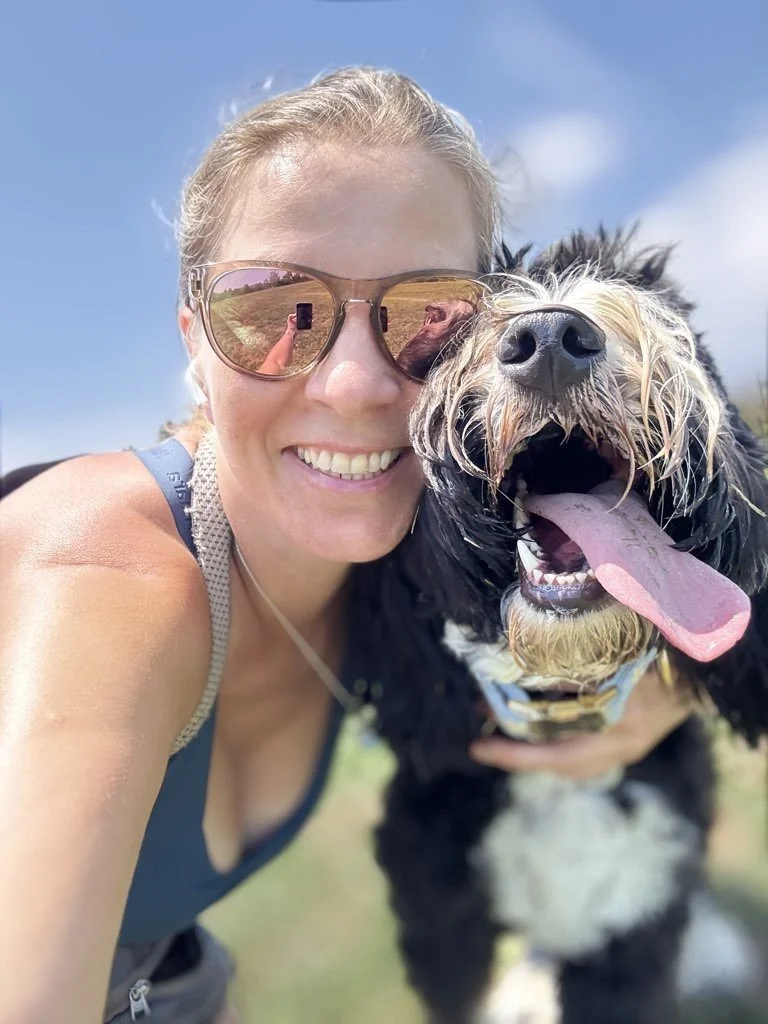
What Makes A True Pet Care Professional
Choosing the right Pet Care Professional means looking beyond a love for animals. Discover the qualities that define exceptional professional pet care, from prioritizing safety and professionalism to understanding your pet's unique needs and knowing when to lean on a trusted care network. Learn how the right approach can provide greater confidence, consistency, and peace of mind for both you and your pet.

How Routines Change as Pets Age
As pets grow older, their daily needs begin to change. From shorter walks and extra potty breaks to medication schedules and increased rest, small adjustments to your pet's routine can make a big difference in their comfort and quality of life. Discover how to support your senior companion through every stage of aging with thoughtful, compassionate care.
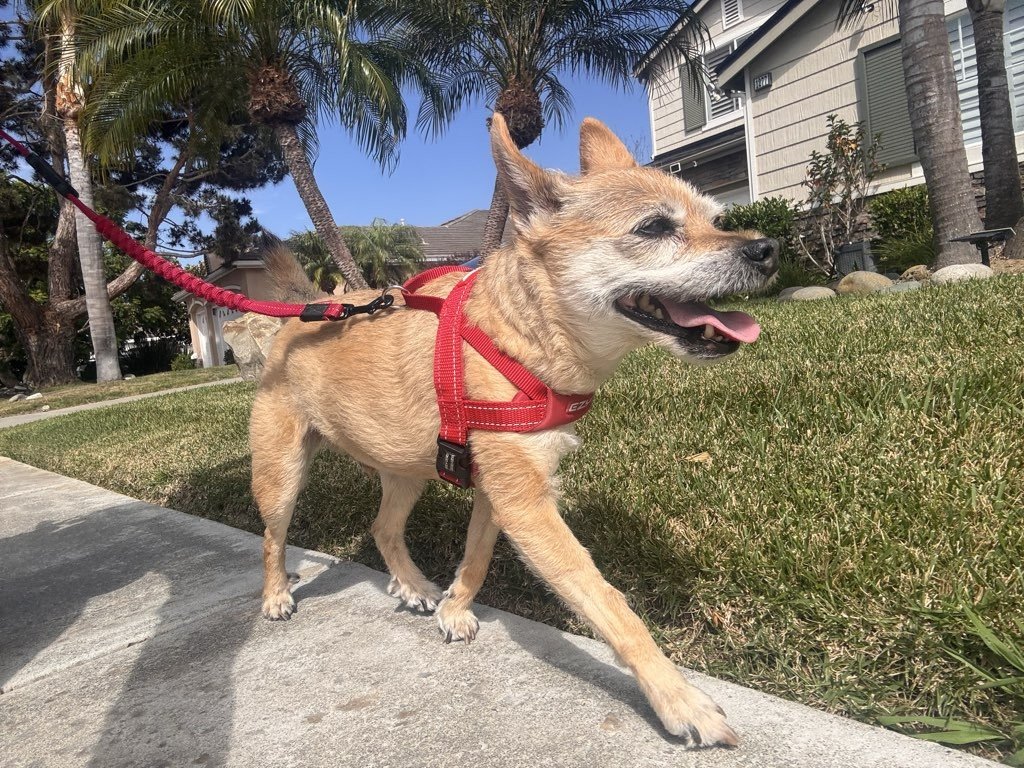
Aging With Dignity: Supporting Senior Pets Through Every Stage of Life
As pets grow older, their needs change, but their need for love, patience, and compassionate care never does. Learn how to support your senior pet through every stage of life with practical tips on exercise, routine, nutrition, medication, and comfort, helping them age with dignity while enjoying the happiest, healthiest life possible.
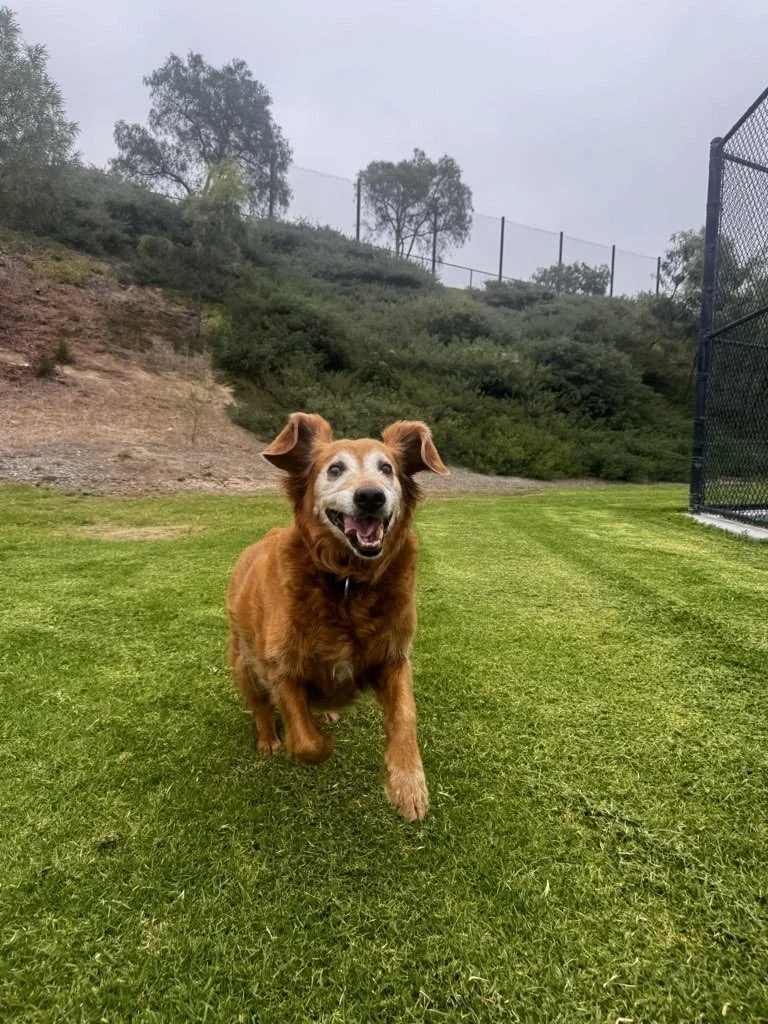
End of Life Planning with Compassion: Preparing for One of the Hardest Decisions
Planning for the end of a beloved pet's life is one of the most difficult responsibilities a pet parent will face. While these conversations are never easy, preparing with compassion can help ensure your pet's final days are filled with comfort, dignity, and love. Learn how to recognize changes in quality of life, plan ahead with your veterinarian, and support your family through this emotional journey.
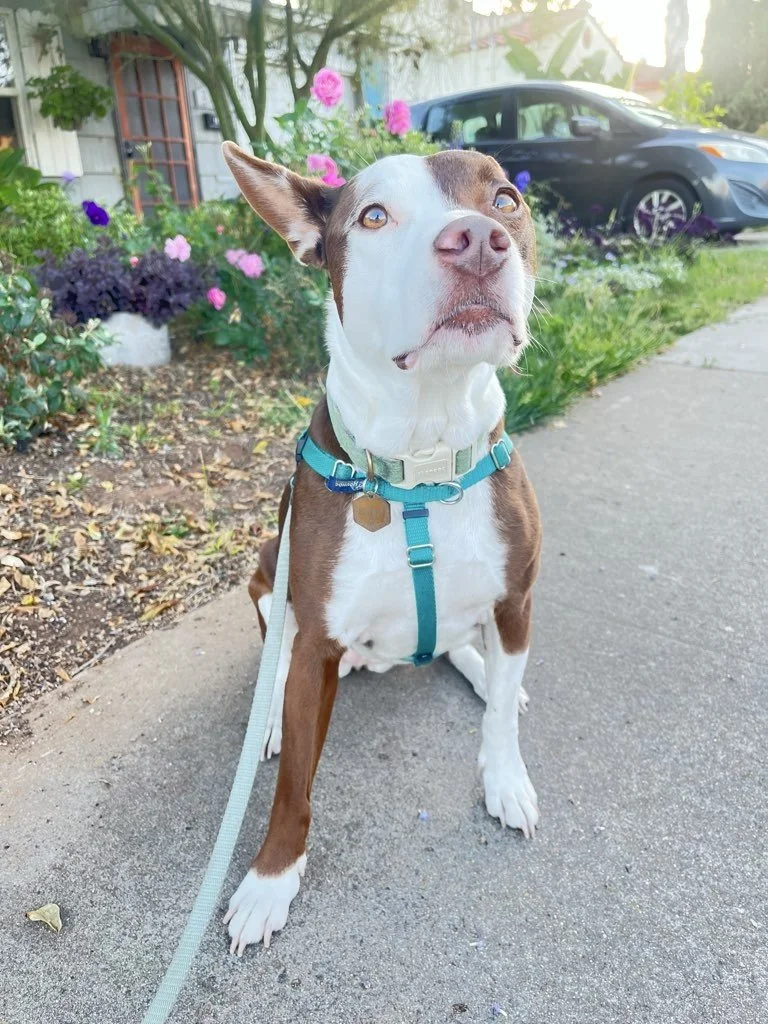
Medication vs. Behavioral Support
For many dogs with separation anxiety, training and behavior modification are the first steps toward success. Learn when behavioral support is appropriate, when to consult your veterinarian, and how to choose the best path for your dog's emotional well being.

Are Eggs Good for Dogs? A Simple, Nutritious Boost to Your Dog’s Diet
Eggs can be a simple, nutritious addition to many dogs’ diets when prepared properly. Rich in high-quality protein, healthy fats, vitamins, and essential nutrients, they support muscle strength, skin and coat health, and overall vitality. Most dogs enjoy the taste, making eggs an easy way to add variety and encouragement to mealtime.
Always serve eggs fully cooked and plain, without salt, butter, or seasonings, and offer them in moderation as a supplement to a complete diet. When introduced thoughtfully, this everyday kitchen staple can provide a wholesome boost that supports your dog’s health and well-being.
Sources: American Kennel Club (AKC) • American Veterinary Medical Association (AVMA)
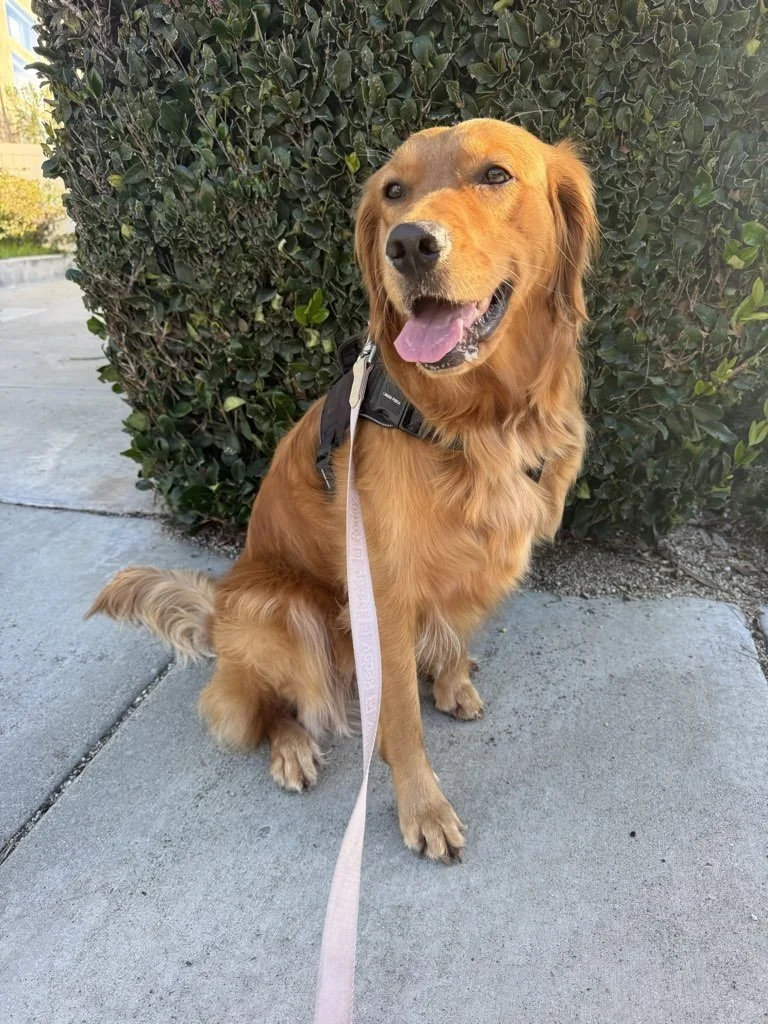
Changes in Water Intake That Deserve Attention
Changes in how much your pet drinks are easy to miss, but they’re often one of the earliest signs that something isn’t quite right. Learning what’s normal helps you know when to pay closer attention.
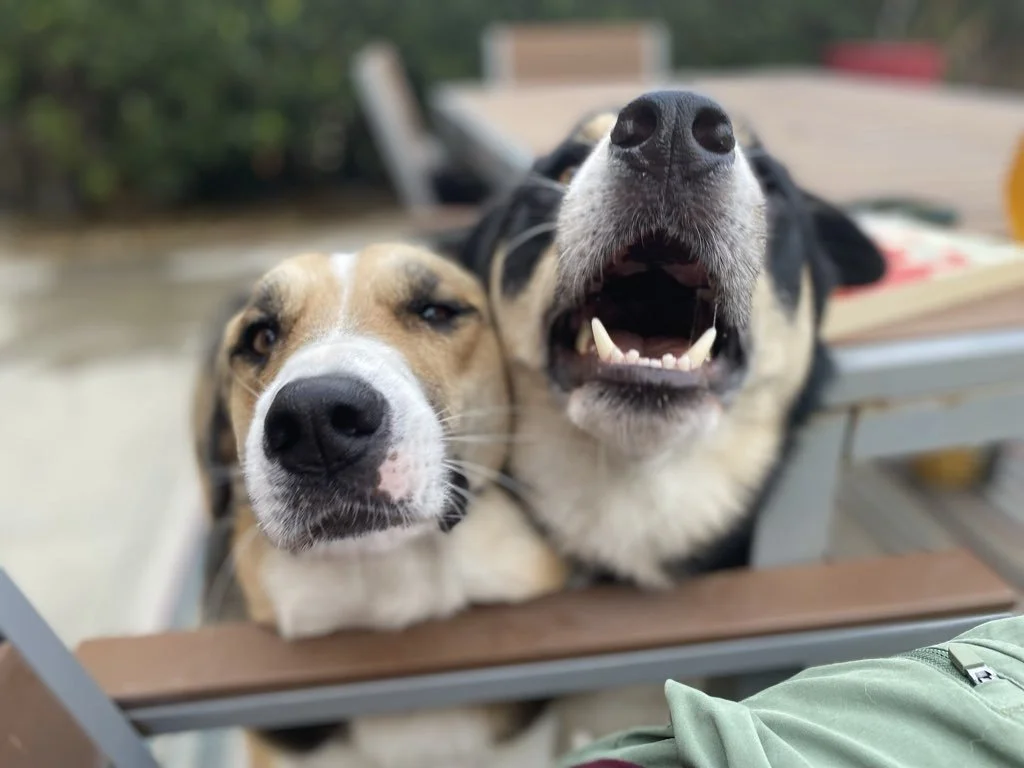
What Is a Pet Care Concierge?
A pet care concierge is more than a booking service. It is your private liaison in the world of pet care; curating only the finest, most trusted professionals and holding them accountable to the highest standards. If a professional falls short, they are removed from the roster. Only the best remain. With personalized matches, ongoing oversight, and true accountability, a concierge saves you time while giving you the confidence that your pet is cared for as family.

What is a CGC Evaluator — and Why Should Your Dog Get CGC Certified?
Getting your dog Canine Good Citizen (CGC) certified isn’t just about obedience — it’s about building trust, proving responsibility, and opening doors to new opportunities. Whether you're aiming for therapy work or just want a well-mannered dog in public, CGC sets a solid foundation that benefits both you and your dog for life.

🐾 How Can I Keep My Pet Safe from Ticks?
Ticks can pose serious health risks to pets, carrying diseases like Lyme and ehrlichiosis. Protecting your furry friend starts with prevention—regular vet-approved treatments, daily tick checks, and a clean yard can go a long way. Learn how to spot, remove, and defend against ticks to keep your pet safe and healthy all year round.

What to Do If Your Dog Is Stung by a Bee
Bee stings are a common occurrence for dogs, but knowing how to respond can make all the difference. If your dog is stung by a bee, the first steps are to remove the stinger, clean the area, and apply a cold compress to reduce swelling. While most stings result in mild discomfort, it’s important to monitor for signs of an allergic reaction, such as difficulty breathing, swelling around the face, or vomiting. If your dog shows any of these symptoms, contact your vet immediately. With prompt care, your dog will recover quickly and be back to enjoying their day!

Minimizing Risk: Keeping Pets Safe
Written By: Heather Vandemark
When things go wrong unexpectedly, we often say, "Accidents happen." However, many accidents are preventable. Sometimes, distractions or a false sense of security can create opportunities for disaster.
I’ve experienced the anxiety of receiving the phone call that my dog had run away. My dog was 11 years old—typically not an escape artist or a runner. But as we know, a pet’s behavior can change due to factors like a new home, a different caregiver, the loss of a family member, or even something as simple as a change in diet.