When To Rush TO The ER vs. Wait
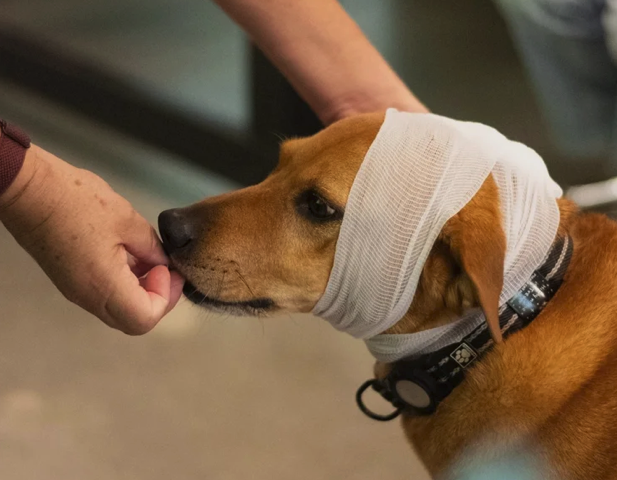
When your pet suddenly seems unwell or gets injured, it can be difficult to know how serious the situation is. Some situations can be monitored at home with guidance from your veterinarian, while others require immediate veterinary attention.
Knowing some of the warning signs can help you make a more informed decision and, when necessary, get your pet the care they need without delay.
When It's Time for the ER
Certain symptoms should be treated as potential emergencies. If your pet is experiencing any of the following, contact an emergency veterinary hospital or your veterinarian immediately:
Difficulty breathing or severe changes in breathing
Uncontrolled bleeding
Loss of consciousness or collapse
Seizures, especially prolonged or repeated seizures
Suspected poisoning or ingestion of a dangerous substance
Severe injury or trauma
Inability to stand or walk normally following an injury
Sudden, severe pain
A significantly swollen or painful abdomen
Repeated vomiting or diarrhea accompanied by weakness or other concerning symptoms
Pale, blue, gray, or unusually discolored gums
Sudden severe weakness or inability to respond normally
When in doubt, contact a veterinary professional. They can help determine whether your pet needs immediate evaluation.
Some Situations May Be Monitored
Not every change in your pet's health requires an immediate trip to the emergency hospital.
A mild, short-lived change may sometimes be appropriate to monitor at home, particularly when your pet is otherwise acting normally, eating and drinking, and showing no signs of significant distress.
However, monitoring does not mean ignoring the problem.
If symptoms continue, become more severe, or your pet's behavior changes, contact your veterinarian for guidance. Your veterinarian can help determine whether an examination is needed.
Trust What You Know About Your Pet
Pet Parents know their pets better than anyone.
You know what your dog's normal energy level looks like, how your cat typically behaves, and what is unusual for your individual pet. A significant change from that normal can be an important reason to reach out to your veterinarian, even if you are unsure whether the situation qualifies as an emergency.
When something feels different, it is always appropriate to ask.
Have a Plan Before You Need One
An emergency is not the time to start searching for a veterinary hospital.
Keep your regular veterinarian's contact information somewhere accessible, along with the address and phone number of a nearby emergency veterinary hospital. If you travel with your pet, identify emergency veterinary resources near your destination as well.
It can also help to keep your pet's medical information, medications, allergies, and other important details readily available.
Having this information prepared can make it easier to act quickly when you are under stress.
When You're Unsure, Call
One of the most important things to remember is that you do not have to determine the seriousness of a situation on your own.
If you are concerned about your pet, contact your veterinarian or an emergency veterinary hospital and explain what you are seeing. They can advise you on the appropriate next step based on your pet's symptoms and circumstances.
And if your pet appears to be experiencing a life-threatening emergency, seek immediate veterinary care.
Preparedness Brings Peace of Mind
You cannot predict every emergency, but you can prepare for one.
Knowing the warning signs, having important veterinary information accessible, and understanding where to go for emergency care can help you respond more confidently when your pet needs you most.
As we continue our focus on safety, prevention, and preparedness, remember that being prepared is not about expecting something to go wrong. It is about making sure you are ready to act when your pet needs you.