
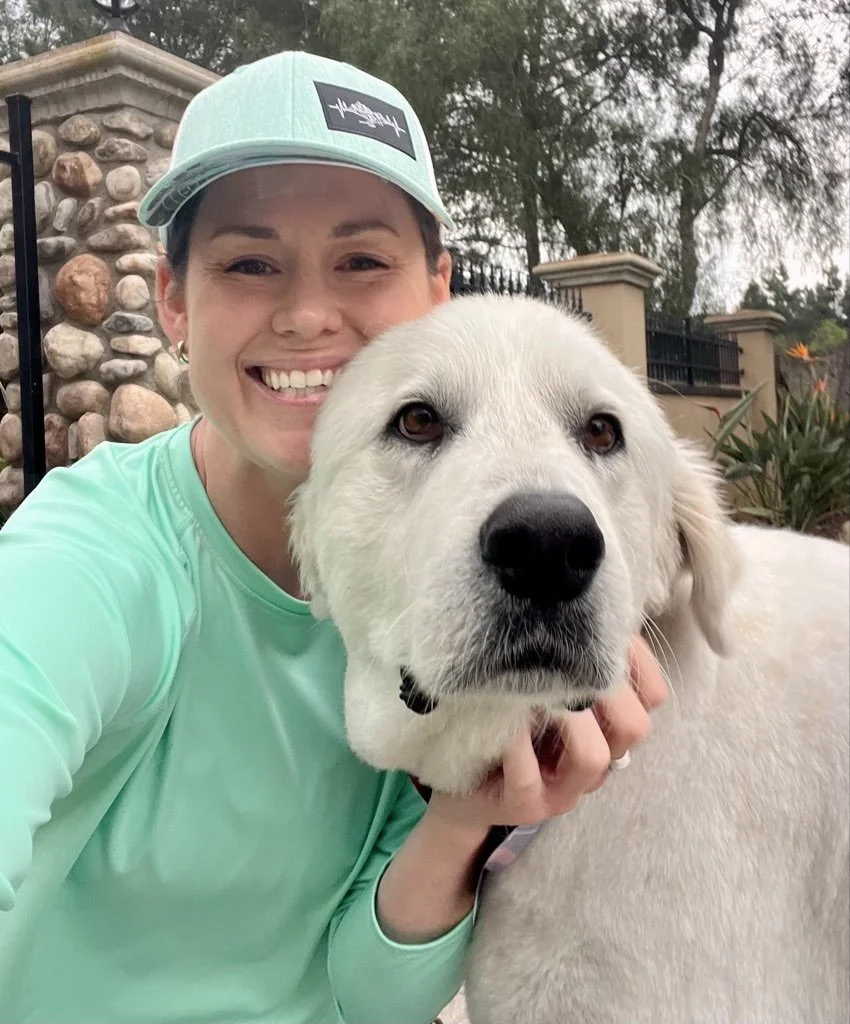
It’s Okay to Ask for More Help With Your Pet (Really)
Pet parents who use professional pet care services often hesitate to ask for additional support. At Dogs On The Run, we believe modern pet care is about partnership, trust, and flexibility. This article explores why it’s okay to ask for more help, how professional pet care professionals support busy households, and why integrated pet care leads to healthier, happier pets.

What Pet Parents Should Look For in a Pet Sitter (Beyond “Likes Animals”)
Choosing a pet sitter is about more than availability or price. Knowing what to look for, from observation skills to communication and professionalism, helps ensure your pet receives care that’s calm, consistent, and truly attentive.
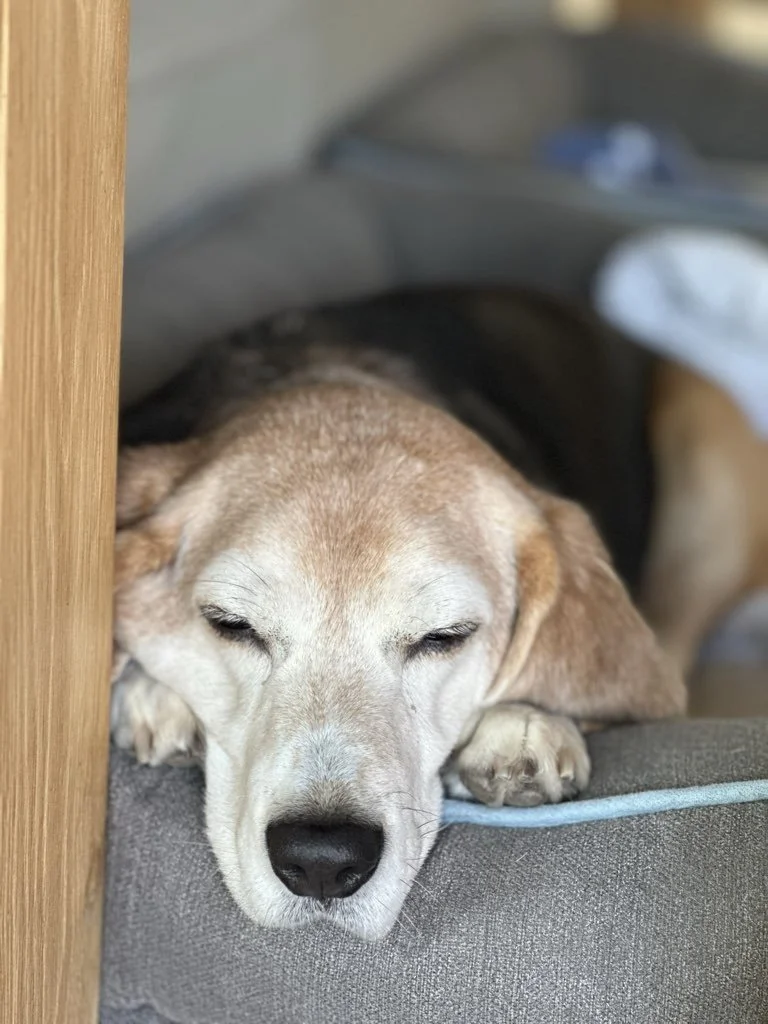
When Your Pet’s Sleep Patterns Change (And Why It Matters More Than You Think)
Changes in your pet’s sleep habits are easy to overlook, but they’re often one of the earliest signs that something isn’t quite right. Understanding what those shifts mean can help you support your pet sooner and more effectively.
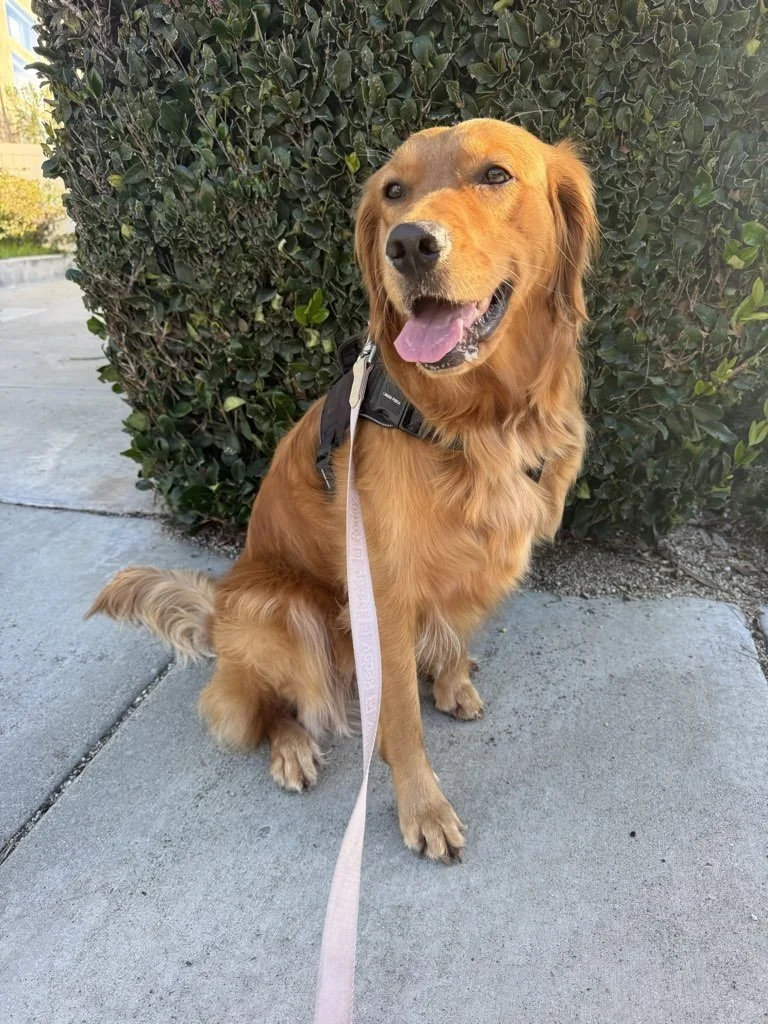
Changes in Water Intake That Deserve Attention
Changes in how much your pet drinks are easy to miss, but they’re often one of the earliest signs that something isn’t quite right. Learning what’s normal helps you know when to pay closer attention.

Subtle Signs of Pain Pets Hide Instinctively
Pets instinctively hide pain, often showing discomfort through subtle changes in behavior, movement, or routine. Learning to recognize these quiet signals can make a powerful difference in your pet’s comfort and quality of life.
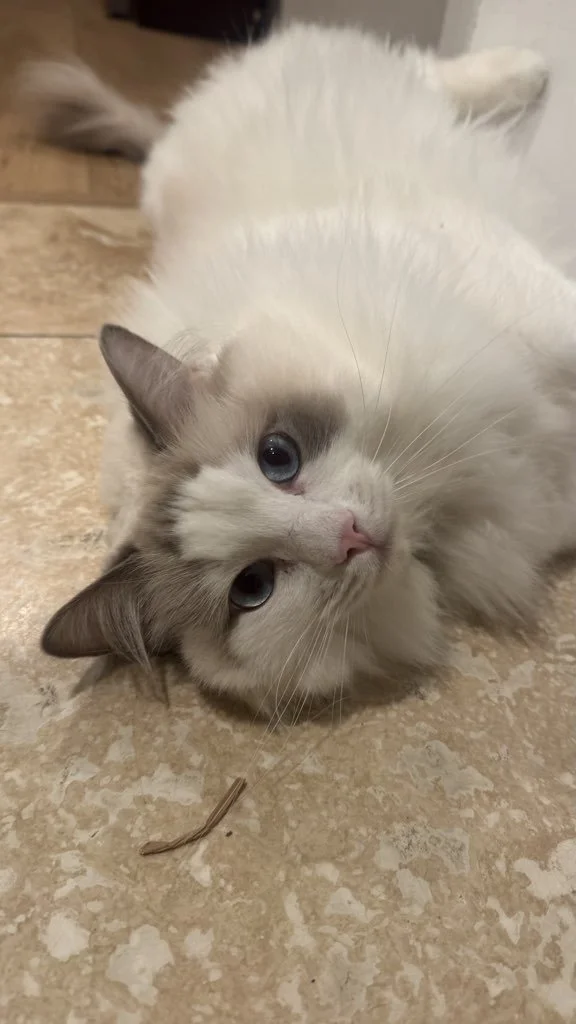
Why Cats Suddenly Stop Using the Litter Box (And Why It’s Not “Bad Behavior”)
Cats don’t show trust the way dogs do, and that’s where the misunderstanding begins. From slow blinks to quiet proximity, cats communicate safety and connection in subtle ways. Once you know what to look for, their trust becomes unmistakable.
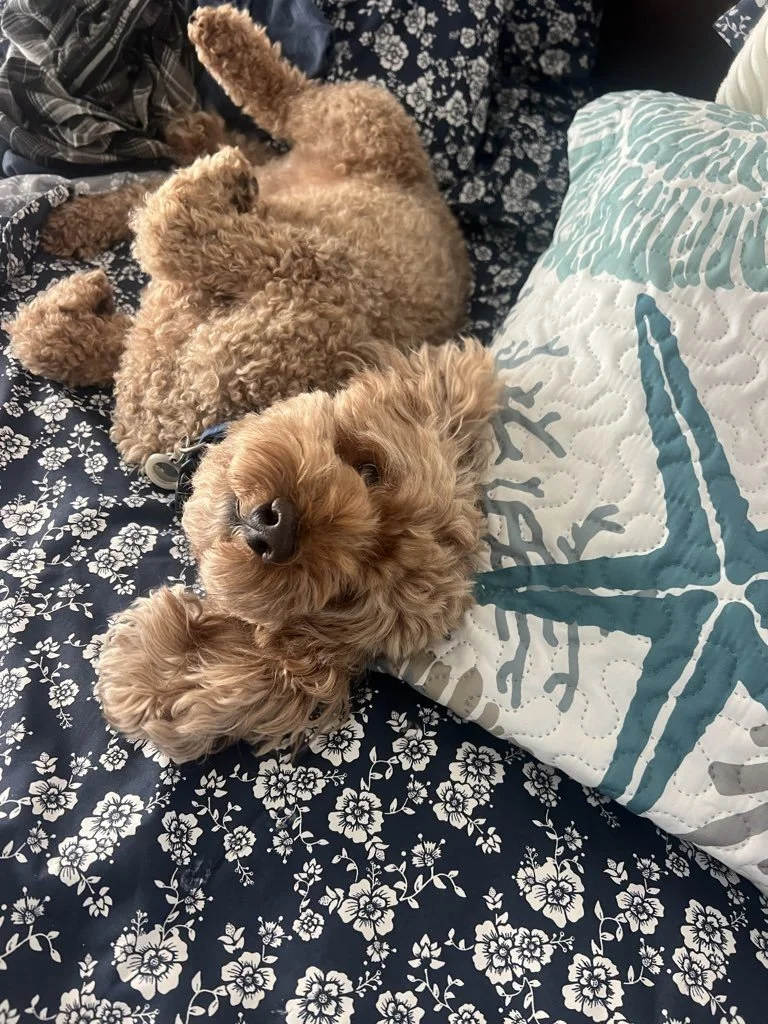
Creating a Calm Exit Instead of a Rushed Goodbye
It’s not the leaving that causes stress, it’s the goodbye. Learn how calm exits build security and why rushing out the door can unintentionally create anxiety for pets.
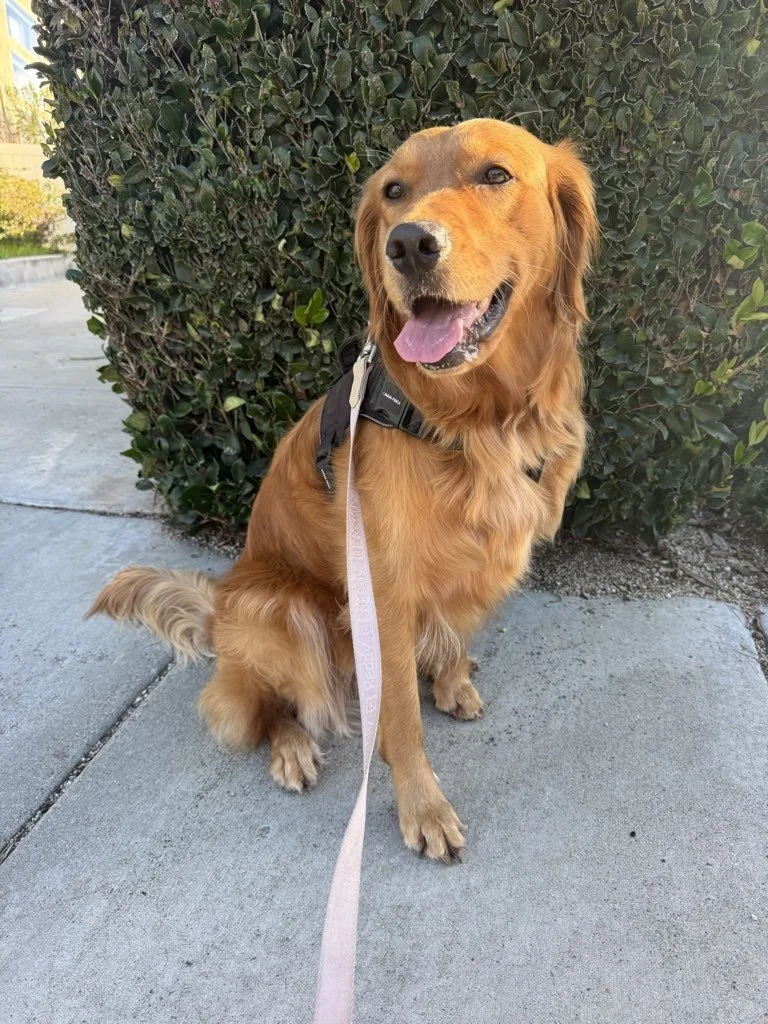
Why Some Dogs “Act Different” on Leash vs. at Home
Ever notice your dog is calm at home but suddenly reactive or anxious on leash? You’re not alone; and it doesn’t mean something is “wrong.” Leashes change how dogs experience the world, limiting movement, increasing pressure, and amplifying sensory input. Understanding why this happens is the first step toward supporting your dog with confidence and compassion.
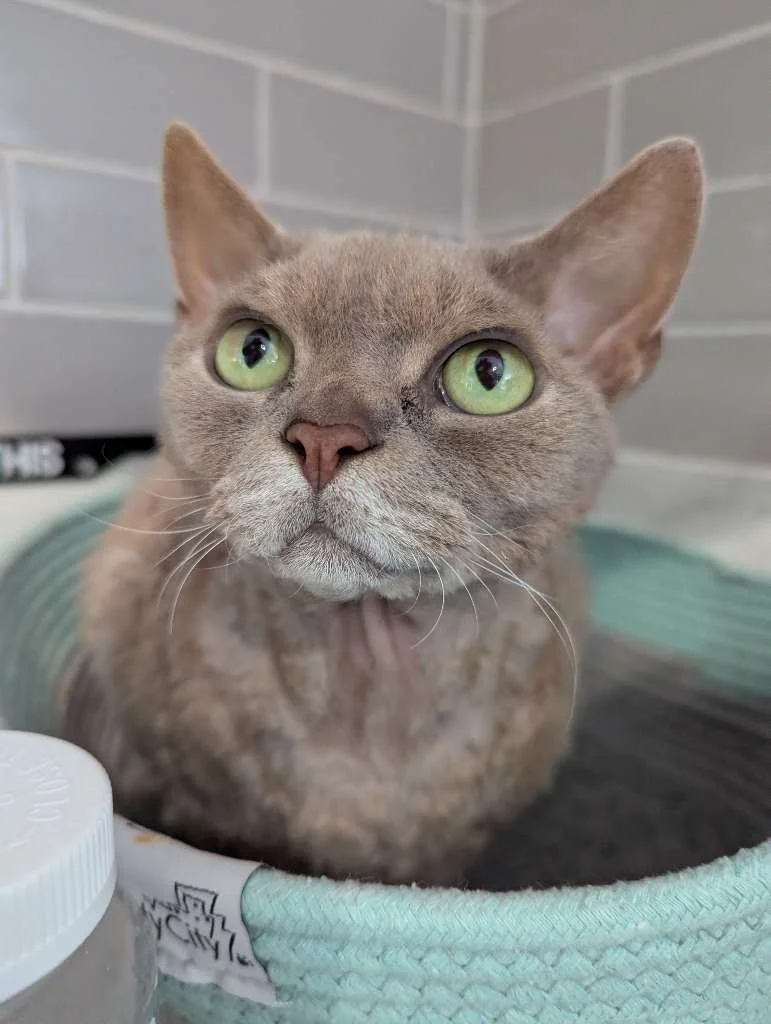
How Cats Actually Show Trust(And Why It’s So Often Misunderstood)
Cats don’t withhold trust; they express it quietly. From slow blinks to shared space, feline affection looks different than we expect, but it’s deeply intentional.
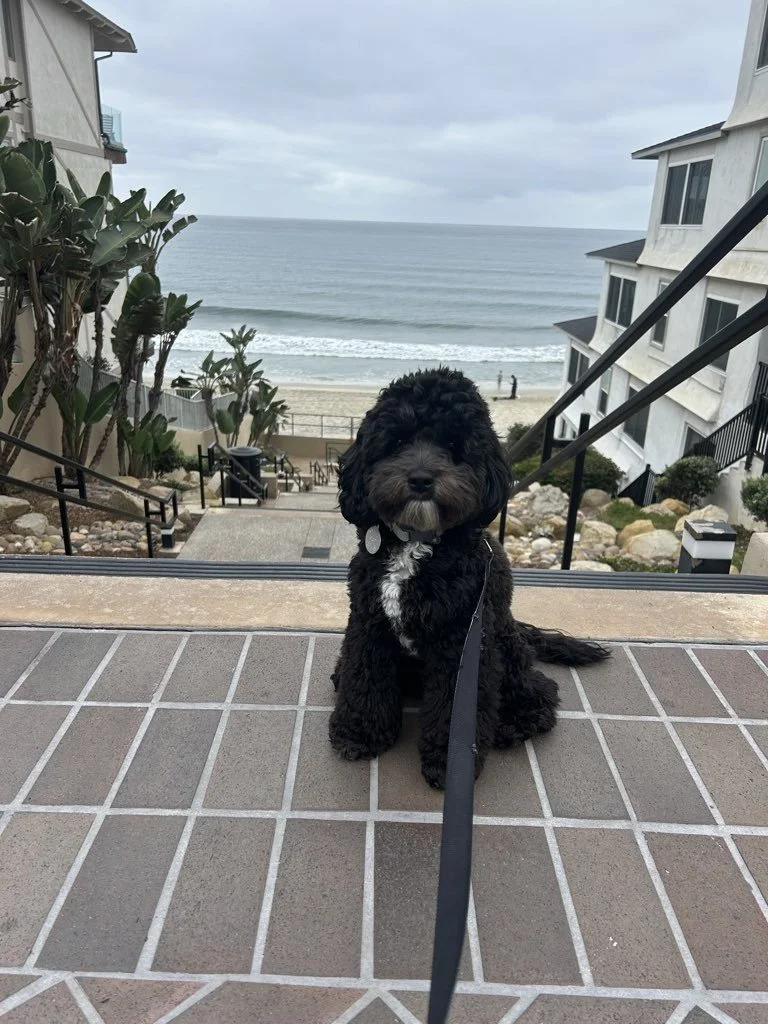
Why Some Dogs “Act Different” on Leash Than They Do at Home(And what they’re really trying to tell us)
Many dogs aren’t “different” on leash, they’re responding to a world that suddenly feels louder, tighter, and less predictable. Understanding why behavior shifts helps us support dogs with more clarity and compassion.
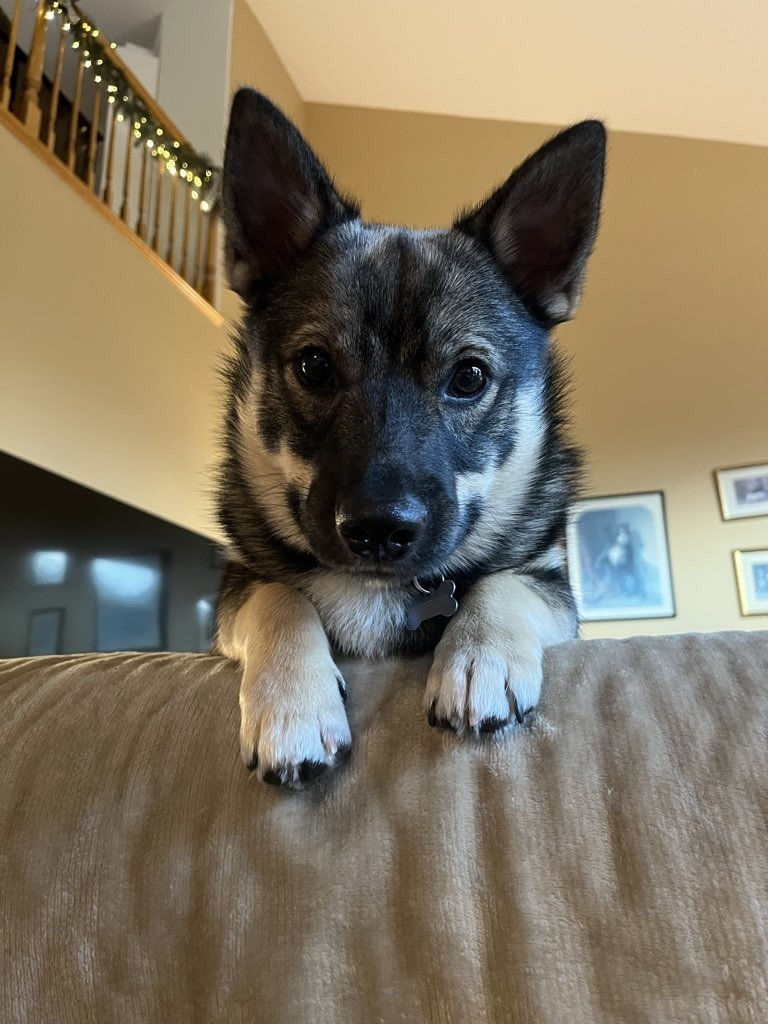
What Dogs Notice First When You Walk Into a Home (It’s not what you think.)
When you walk through the door, your dog notices far more than your face or your voice. Dogs experience arrivals through scent, energy, and subtle shifts in the environment, long before emotion comes into play. Learning to think like a pet changes how connection begins.
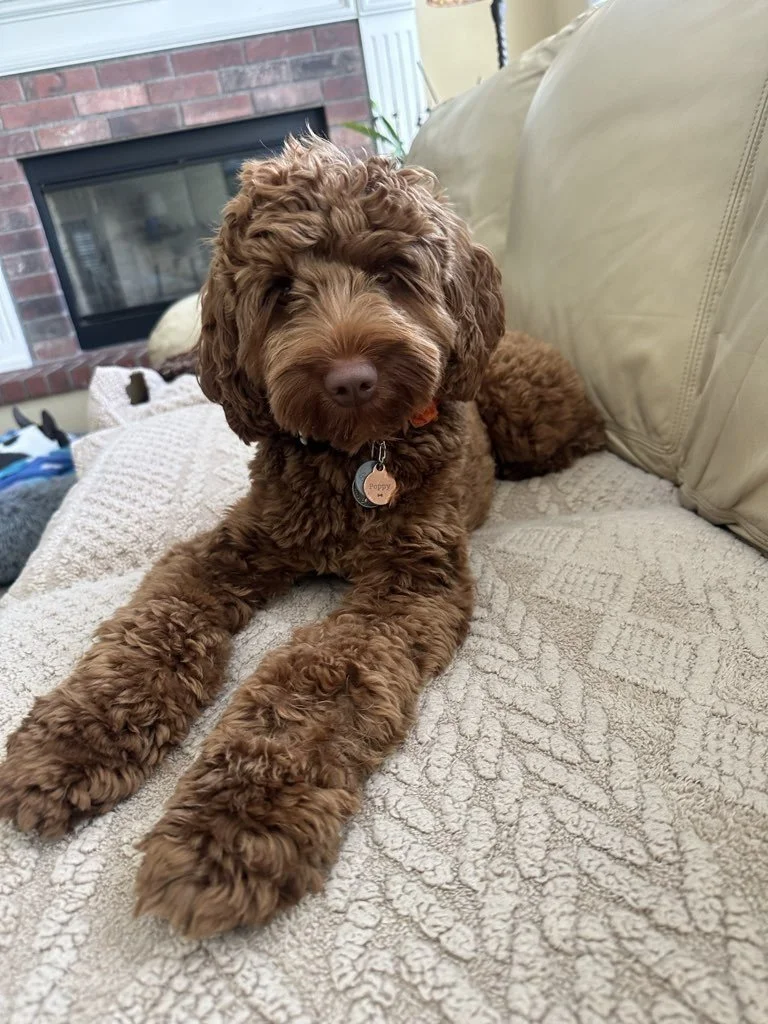
The Difference Between a Concierge and a Marketplace in Pet Care
Not all pet care services are the same. Marketplaces connect families with anyone offering pet care, leaving you to do the screening and scheduling yourself. Dogs On The Run operates differently; as a true concierge. Our team personally matches each family with an experienced, independent professional who fits their lifestyle, schedule, and pet’s personality. Every match is intentional, every detail is handled with care, and every experience is built on trust, transparency, and comfort.
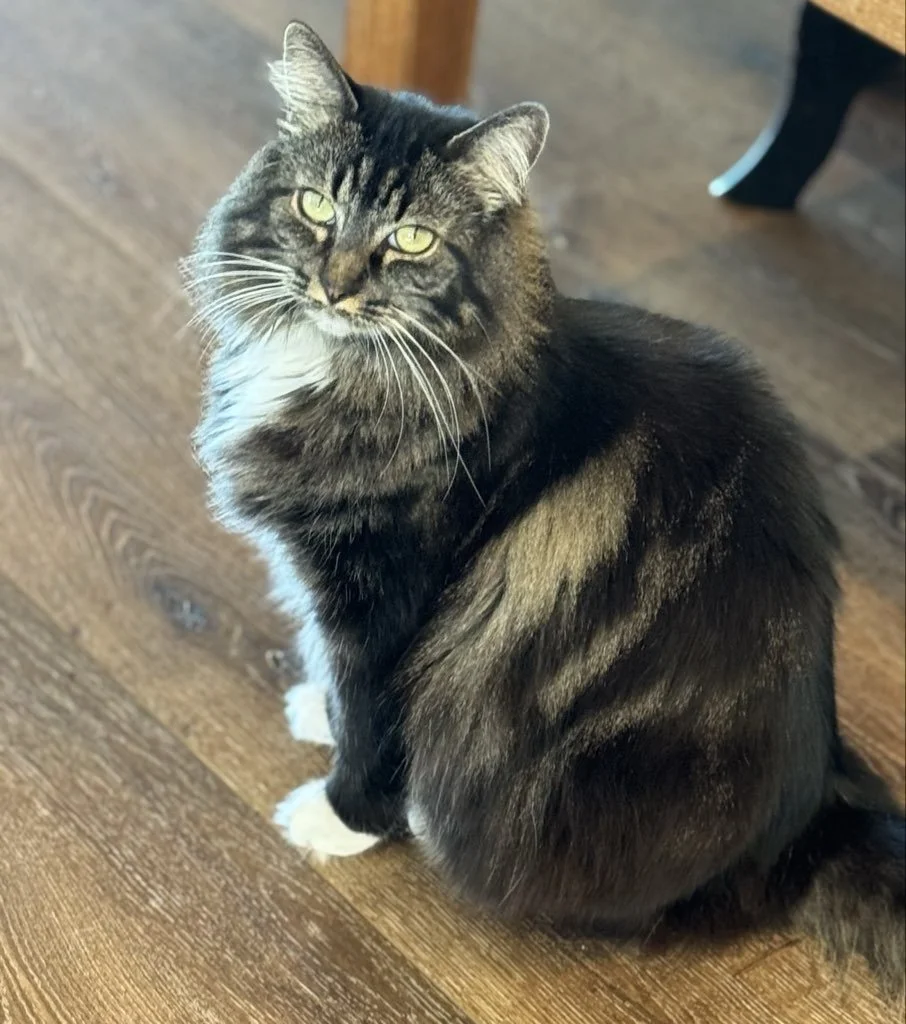
10 Calming Signals Cats Use That Most Families Miss
Most families miss the early signs their cat is stressed or overwhelmed. Slow blinks, subtle ear movements, and soft body shifts are calming signals cats use to self-soothe. Learn how to recognize these cues and support your cat’s emotional well-being.

10 Calming Signals Your Dog Uses That Most Families Miss
Dogs communicate stress long before they bark, growl, or pull away. Subtle calming signals like slow blinking, head turns, and sniffing the ground reveal how your dog really feels. Learning to recognize these early cues helps families support their pets with more understanding, comfort, and confidence.

Why Your Dog Doesn’t Like Every Dog (And That’s Okay)
Not every dog enjoys meeting every other dog, and new research shows that is completely normal. Dogs form friend groups just like humans, and they feel calmer and more confident when interacting with their preferred companions. Understanding your dog’s social preferences leads to safer, happier experiences for everyone.

Can Dogs Get Socially Exhausted? New Research Says “Yes”
Dogs can become emotionally overwhelmed just like people. New research shows that too much stimulation, social activity, or household chaos can lead to social exhaustion in pets. Understanding the signs helps families create calmer, more balanced environments that support their dog’s emotional well-being.
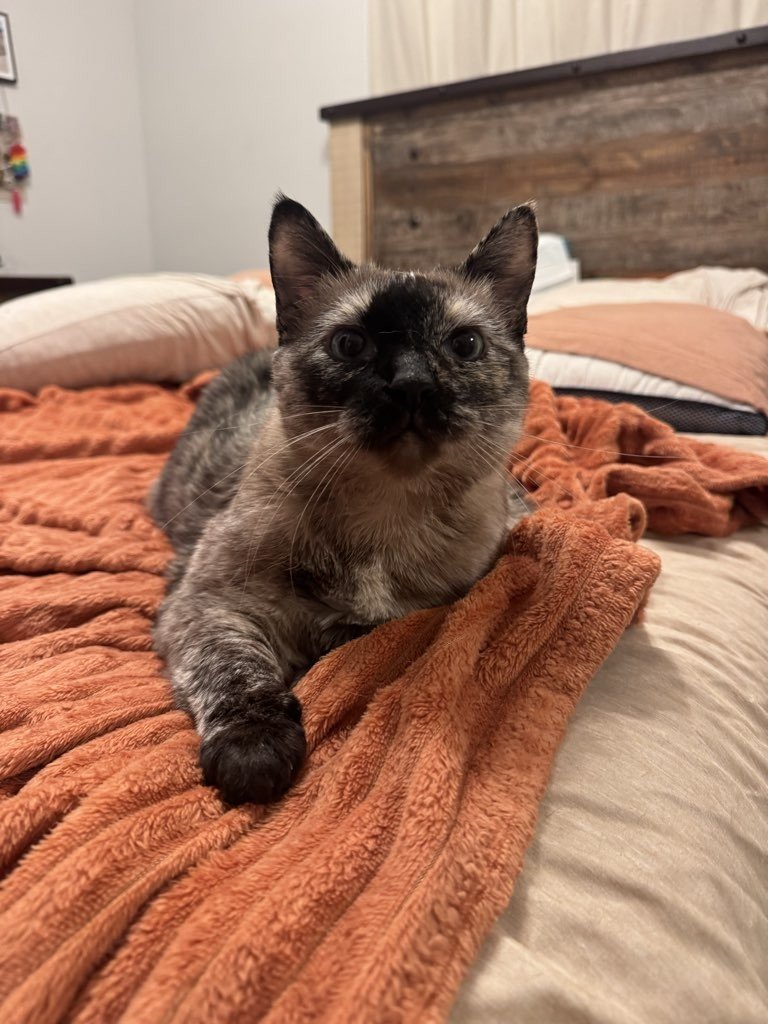
Top Mistakes Families Make When Booking Pet Care (And How to Avoid Them)
Many families don’t realize how small oversights can lead to stress, confusion, or inconsistent care for their pets. From late bookings to missing routine details, the most common mistakes are easy to avoid with a little preparation. Here’s what families should know before choosing a pet care professional.
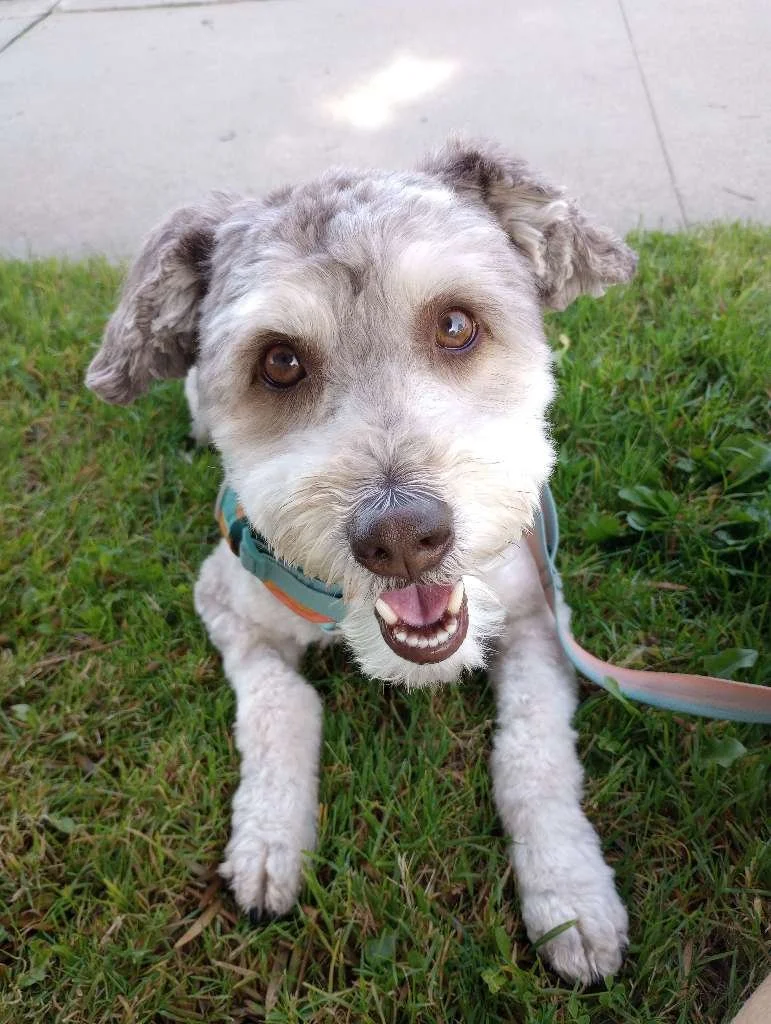
How Changes in Your Routine Affect Your Pet More Than You Think
Your pet notices every shift in your daily routine more than you think. Changes in your schedule, energy, or home environment can impact their confidence, behavior, and sense of security. Understanding how these transitions affect your pet helps you support their emotional well-being, especially during busy seasons or travel.

A Smarter Way to Socialize Puppies
Puppy socialization has evolved; and for good reason. Today’s best practices focus on thoughtful, puppy-led experiences that build confidence, resilience, and emotional stability without overwhelm.
Dogs On The Run’s Puppy Socials offer a modern, welfare-based, Fear Free approach guided by certified professional Courtney Roberts. Through carefully designed environments, well-matched playmates, and parent education, puppies are supported during this critical developmental phase, setting them up for success well beyond puppyhood.
The Ultimate Travel Checklist for Families Leaving Pets at Home
Leaving pets at home while you travel? Use DOTR’s expert checklist to create a safe, consistent, comfortable experience with a trusted professional.